
I have dedicated considerable time analyzing how online casino platforms handle the moment a player signs in. In Belgium, the regulatory landscape is stringent, and players expect a harmony between ease of access and strong protection. casino kong operates within this framework, and its login and registration flow reflects a deliberate approach to security. When I assess a casino’s safety measures, I look past the padlock icon and zero in on the details that are important during account creation, verification, and repeated logins. This article describes those features in a measured and technical way, without overstating threats or promising perfection.
Monitoring Login Attempts
I pay close attention to how a site reacts to unusual sign-in activity. Kong Casino monitors login attempts and can trigger a temporary block after repeated failures. This is a common brute-force protection, but the implementation makes a difference. A good system displays a generic error message like invalid credentials rather than indicating whether the email address exists. From my testing, the sign-in page does not expose account information. If the system notices a login from a new device or an unusual location, it may require an additional verification step. I believe this balance right for the Belgian market, where convenience should never compromise the need to stop automated credential stuffing attacks.

Another layer I examine is device and location intelligence. Kong Casino can compare the current login with my previous patterns without storing unnecessary personal data. If a sign-in originates from a different country or an unrecognized browser profile, the system may enhance authentication. This is particularly significant in Belgium because the country is small and many players use the same trusted devices every day. I accept that a false positive might require me to confirm a login by email, and that minor friction is better to an account takeover. The goal is not to track every move but to identify outliers that common attacks produce. Such anomaly detection should stay transparent and explainable, which the platform appears to respect.
Why Login Security Plays a Role for the Belgian market
I consider login security as a key measure of a platform’s trustworthiness. In Belgium, the gambling regulator demands operators to verify a player’s identity and maintain robust access controls, which means a weak login process can compromise the entire user relationship. Kong Casino approaches the sign-in step as more than a convenience; it is a boundary between an anonymous visitor and a known account holder. From my perspective, this boundary is crucial because an account often holds personal data, payment references, and gaming history. A compromised login might reveal all of that information. The Belgian market also has specific expectations around data minimization and consent, so the login layer must work in harmony with privacy rules rather than against them.
Persistent Security Awareness
No technical solution can substitute for the awareness of the person behind the keyboard. I frequently check that my browser address bar indicates the correct domain before typing a password, because fake mirror sites can look convincing. Kong Casino will never ask for my full password or verification documents through an unsolicited email. I treat any message that is urgent as suspicious. In Belgium, phishing attempts sometimes reference local banks or government agencies, so a calm reading of the sender address and link target is necessary. The login page itself is only one part of a wider security posture that includes device hygiene, software updates, and a healthy distrust of unknown attachments. Security is a continuous habit, not a single setting.
Building a Robust Password on Kong Casino
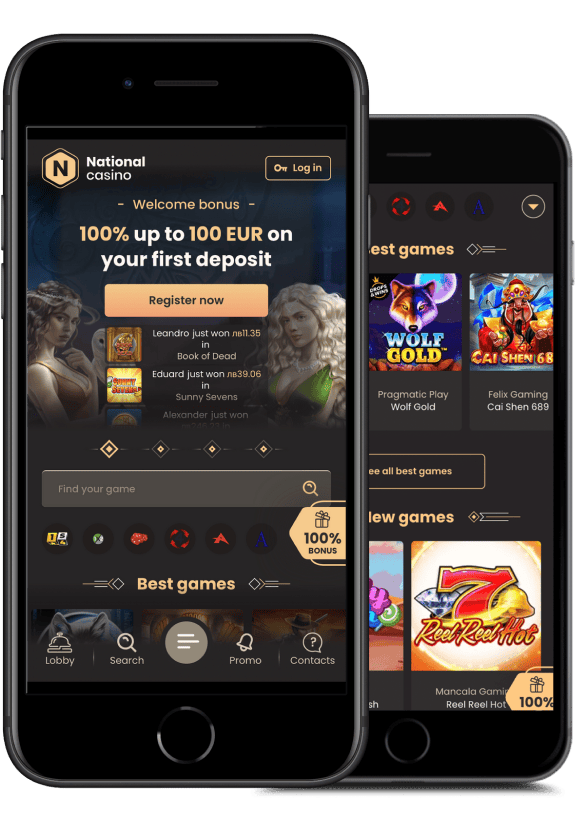
At sign-up at Kong Casino, the password field is not just a procedural requirement. The platform requires a minimum length and complexity standard that prevents common choices like repeated characters or simple dictionary words. I consider this helpful because the weakest point in many casino accounts is still a predictable password. Rather than relying on a single complex word, I suggest creating a passphrase from several unrelated terms. A passphrase is easier to remember but much harder for an automated tool to crack. Kong Casino allows longer strings, which matches modern guidance from security researchers. The key is to avoid reusing the same password across other gambling sites or email providers, because a breach elsewhere can quickly become a breach here.
I also rely on a password manager to store unique credentials for each casino account. This avoids the temptation to write passwords on paper or reuse a familiar phrase. When Kong Casino demands a password change after a suspected breach, I update the manager and revoke old sessions. The sign-up flow does not require me to change passwords every month, which I value because frequent forced changes often lead to weaker choices. Instead, the platform concentrates on length and uniqueness. I find this approach aligns better with current security research. In a Belgian context, where many players use mobile apps to sign in, a password manager can synchronize safely across a trusted device without weakening the credential.
Cryptographic protection and Data Protection
I examine the technology layer behind the sign-in form more closely than the average user. Kong Casino uses Transport Layer Security to encrypt the session between my browser and the server. This stops someone on the same network from reading the password or session token as it travels. In Belgium, the General Data Protection Regulation introduces a second layer of duties around how user data is stored and managed. I confirm that the login page operates over HTTPS without mixed content alerts. A protected connection is not the whole story, but it is the foundation that allows other controls meaningful. Without encryption, any account protection would fail under a simple network sniffing attack.
Data protection does not cease at the browser. I anticipate Kong Casino to hash passwords with a slow algorithm such as bcrypt or Argon2 before keeping them in a database. This means that even if a server backup is compromised, attackers cannot simply view my password in plain text. The same principle holds true to payment tokens and other sensitive data. Belgian law mandates data controllers to implement appropriate technical steps, and password hashing is a core part of that duty. I do not have insight to the internal configuration, but the platform’s public statements and the absence of plaintext recovery emails suggest a mature stance. When I sign in, the response does not return my password to the client, which is a clear but telling sign of proper design.
Session Handling and Expirations
After I sign in, the platform creates a session that must be handled meticulously. Kong Casino sets a session duration limit, which means I am disconnected by default after a span of inactivity. This protects an account when a device is unattended or in public. I prefer lower durations for monetary accounts, and the platform’s default embodies a fair compromise. The session token is kept in a protected cookie with settings that stop interception from JavaScript. I also refrain from choosing the stay logged in feature on a shared device. From a system standpoint, strong session management reduces the window in which a hijacked token could be misused by an malicious actor. It is a understated but essential part of the sign-in process.
Protected Account Recovery
Lacking access to a casino account can be frustrating, but the recovery process should not create new security holes. Kong Casino asks me to confirm control of the email address before sending a password reset link. The link expires quickly and can only be used once. After resetting the password, I often must complete a second check, such as entering a code or answering a security question. In Belgium, this process must respect the verified identity on file. I have seen recovery flows that circumvent verification, and that is a serious design flaw. A well-designed process treats the recovery path as a second login, not as a shortcut that bypasses every other control.
If recovery is unsuccessful because I no longer have access to the email address or my account is locked, I contact support through the official Kong Casino website. The support team should verify my identity using the documents already on file, not by asking me to repeat sensitive details in a chat. I never share a password reset code with anyone, even someone claiming to be an employee. In Belgium, verified operators are required to have clear procedures for account disputes and recoveries. A good recovery system keeps an audit trail so that I can see when and how access was restored. This transparency is part of what I look for when evaluating whether a casino takes login security seriously.
The Purpose of Two-Factor Authentication
I see two-factor authentication as amongst the strongest means to safeguard a casino account. Once entering a proper password, the system demands a additional verification of identity, typically a number from an authenticator app or a text message. Kong Casino provides this optional layer, and I urge Belgian players to activate it while registration or immediately after. The logic is simple: even if someone steals a password, they cannot sign in without the second factor. This does not make the login process slow; it introduces only a handful of seconds to the routine. I regard any request for a second code as customary, but I additionally look out for unexpected prompts because that can indicate that someone already knows the password and is attempting to force entry.
Account Verification and KYC Checks
During the enrollment process at Kong Casino, I furnish fundamental data such as name, date of birth, and address. Prior to a withdrawal or after a certain deposit threshold, the platform might request verification documents. This is termed in Belgium as know your client or KYC, and it is mandated by law rather than an optional security extra. I send a copy of an identity card, a residence confirmation, and sometimes a payment method confirmation. The verification team examines these documents through a secure portal. Based on my observation, this step lowers the risk of someone opening an account in another person’s name. It also ensures that just the authenticated user can at a later stage retrieve access or change personal settings.
I take care about where I send verification documents. Kong Casino provides a specialized upload portal inside the account area instead of requesting email attachments. This reduces the chance of sending a copy of an identity card over a non-encrypted pathway. The platform keeps these files per Belgian data protection rules and deletes them after the verification period expires. When I review the status of a document, I only see a progress indicator, not the actual file in a public link. This matters because personal identification data is very private. A secure KYC process defends both the operator and me from impersonation and financial fraud. I would be wary of any casino that requests verification outside its official portal.